
The Reality Behind the Romance of Wine
Many people imagine the fine wine industry as a world of long lunches, beautiful vineyards, and extraordinary bottles shared in glamorous settings. While those moments certainly exist, they are only a small part of the story.
Over the years, I have experienced the wine industry from several perspectives: as a sommelier, a Master of Wine, a board director of one of the world's leading luxury wine companies, and more recently as the founder of a hospitality technology business. One thing I have learned is that wine is ultimately a serious business built on agriculture, manufacturing, distribution, hospitality, branding, and consumer behavior.
The reality is often far less glamorous than people imagine.
When I was in my early twenties, I dreamed of becoming a five-star hotel critic. I collected the annual guides from Relais & Châteaux and Leading Hotels of the World and would spend hours studying the properties, imagining what it would be like to visit them all.
Years later, after traveling extensively for work, I discovered a simple truth: many beautiful hotels look remarkably similar when you arrive late at night, answer emails until midnight, and leave before breakfast.
Wine judging can be much the same.
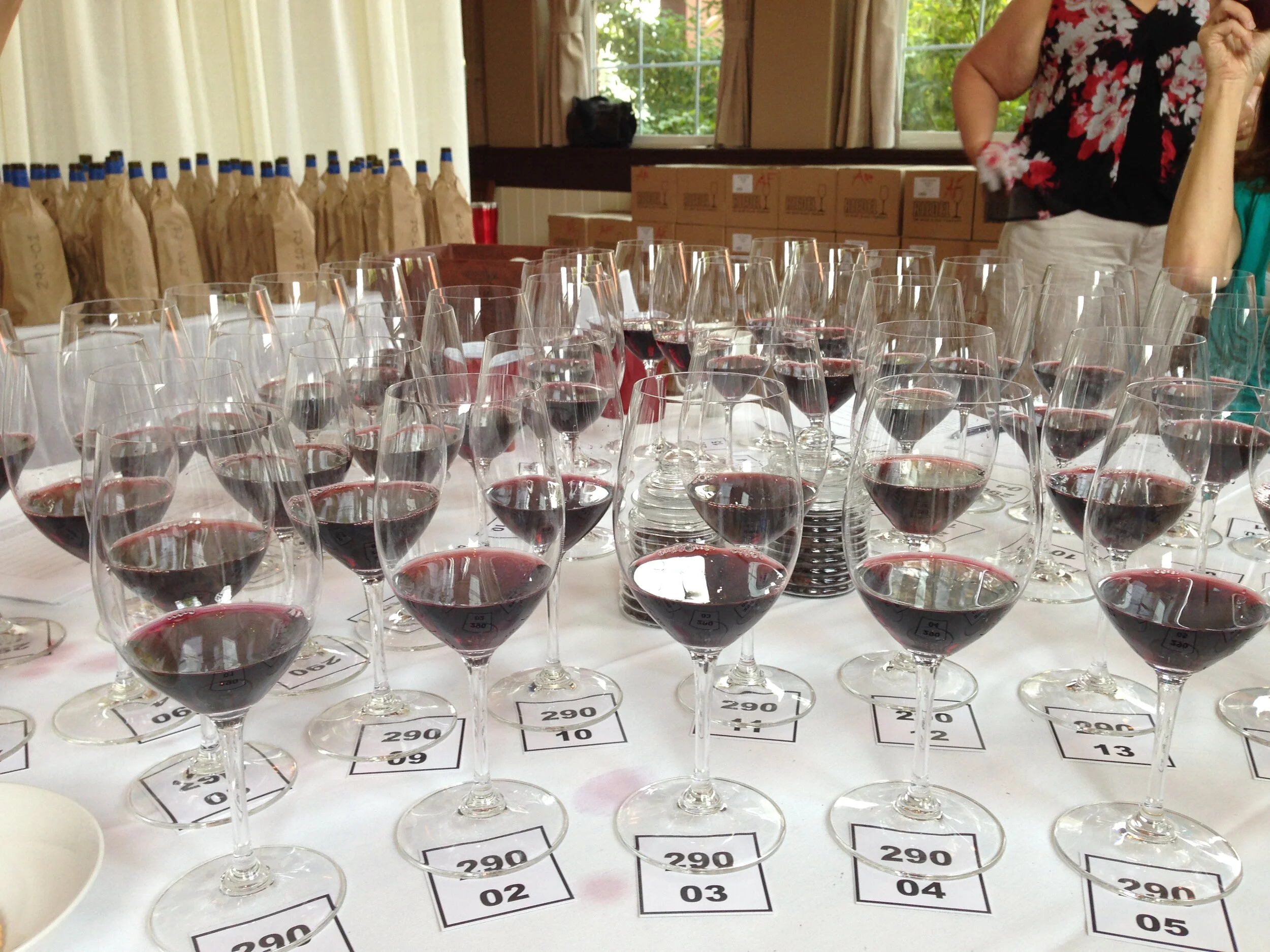
From the outside, judging wine sounds like a dream assignment. In reality, it often means early starts, long days, intense concentration, and hundreds of wines assessed over a short period of time. By the end of a judging week, stained teeth and a sensitive palate are far more common than leisurely enjoyment.
Like many forms of expertise, the value lies not in the glamour but in the discipline. The goal is to evaluate wines consistently, identify quality, and understand style, often while tasting far more wines in a day than most consumers would encounter in a year.
“The most interesting discussions today are often not about the wine itself, but about how to help more people discover and enjoy it.”
Industry events are often misunderstood as well.
Whether attending a wine competition, a trade tasting, or a hospitality event, the role is rarely to simply enjoy great wine. More often, it is about listening, learning, building relationships, and understanding how consumers, producers, distributors, restaurants, and retailers are responding to a rapidly changing market.
These conversations have become even more interesting in recent years as technology, data, and changing consumer preferences reshape the way people discover and purchase wine. Questions around personalization, recommendation systems, hospitality technology, and attracting younger consumers are increasingly important to the future of the industry.
The wine industry may appear glamorous from the outside, but its long-term success depends on understanding consumers, building strong hospitality experiences, and continually adapting to changing markets.