
“Champagne: Where History, Culture,
and Wine Converge”
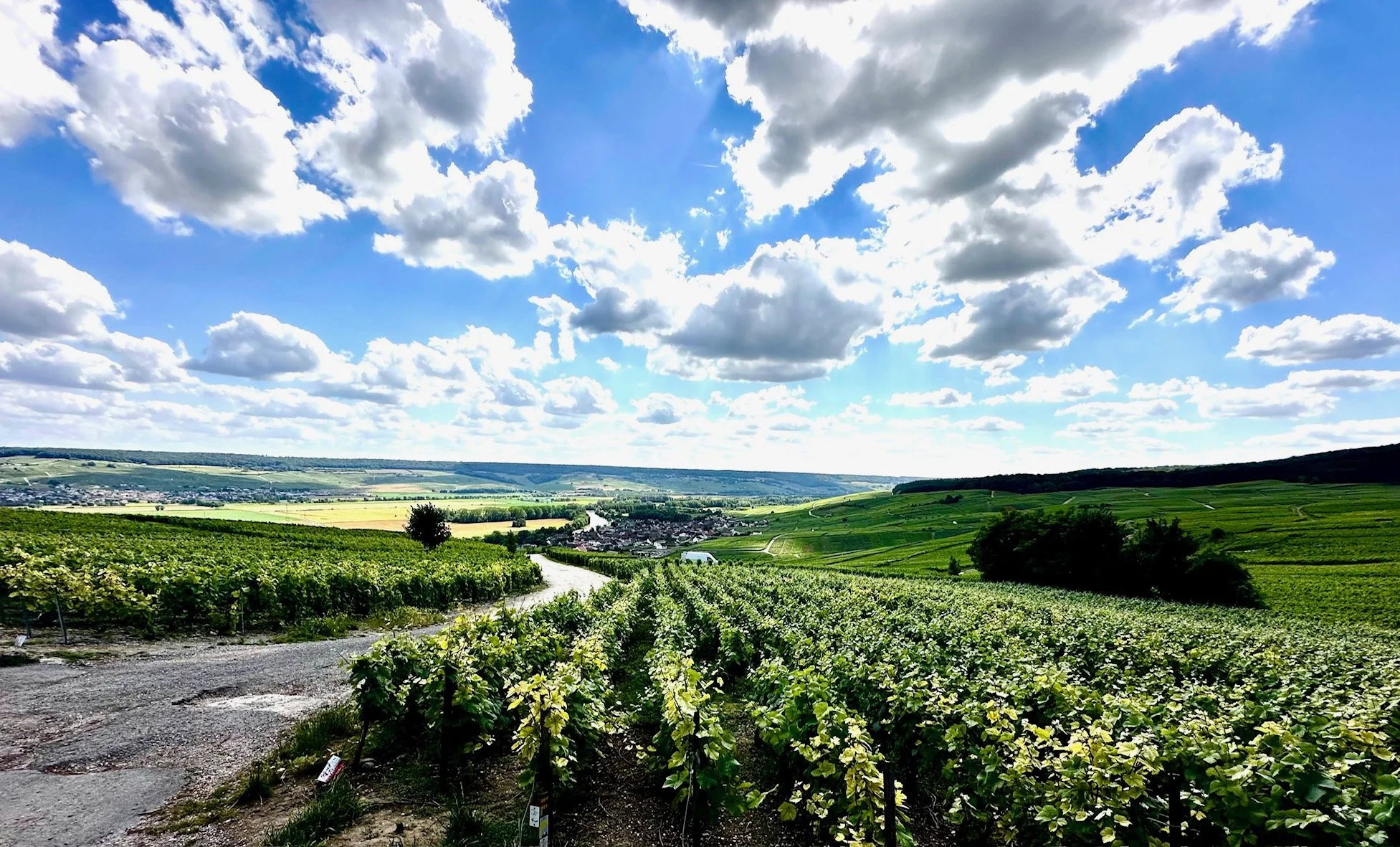
Champagne is one of those rare regions where history, culture, and craftsmanship come together in a way that feels both deeply rooted and unmistakably modern. Each visit reminds me how much the experience has evolved—far beyond the glass—into a seamless blend of wine, art, architecture, and hospitality. It is also very much a year-round destination, with a thoughtful mix of indoor cellar, art, and historical experiences alongside outdoor vineyard landscapes, making it as compelling in winter as it is in summer.
“Loving Sir Winston Churchill Champagne is one thing—realizing the German surrender in WWII happened at an elementary school here in Reims is something else entirely.”
At the heart of the region lies Reims Cathedral, a masterpiece of Gothic architecture and the coronation site of French kings, many of whom are also buried within its walls. Standing inside, you feel the weight of centuries of monarchy, ritual, and national identity—much of which Champagne has both witnessed and endured. The region played a pivotal role during both World Wars, and it was here, in a school building in Reims, that the German surrender was signed, marking the end of World War II in Europe. Driving through the expansive vineyards today, I often find myself imagining those same open fields in a very different time—an evocative reminder of both the fragility and resilience of this landscape.
That sense of heritage sits comfortably alongside a new wave of investment in experience. The Barons de Rothschild family’s facility in Vertus is brand new and particularly striking—an elegant marriage of old and contemporary, where modern architectural precision meets a deep respect for Champagne’s traditions and terroir. It reflects a broader shift across the region: a focus not only on exceptional wines, but on creating meaningful, immersive experiences.
Art has become an integral part of that evolution. At Champagne Pommery, contemporary installations are woven through historic chalk cellars, creating a compelling dialogue between tradition and modern creativity.
And then, of course, there is the wine. Blanc de Blancs remains one of Champagne’s most compelling expressions. At Champagne Ruinart and Salon, Chardonnay delivers wines of precision, energy, and texture that speak clearly of place. As a Master of Wine, what continues to stand out to me is not only the technical excellence, but the clarity with which these wines express both terroir and history—something Champagne does uniquely well.
“Some of my most memorable moments in Champagne have been in small village bistros, discovering the region’s still wines—an understated and often overlooked expression of its terroir.”
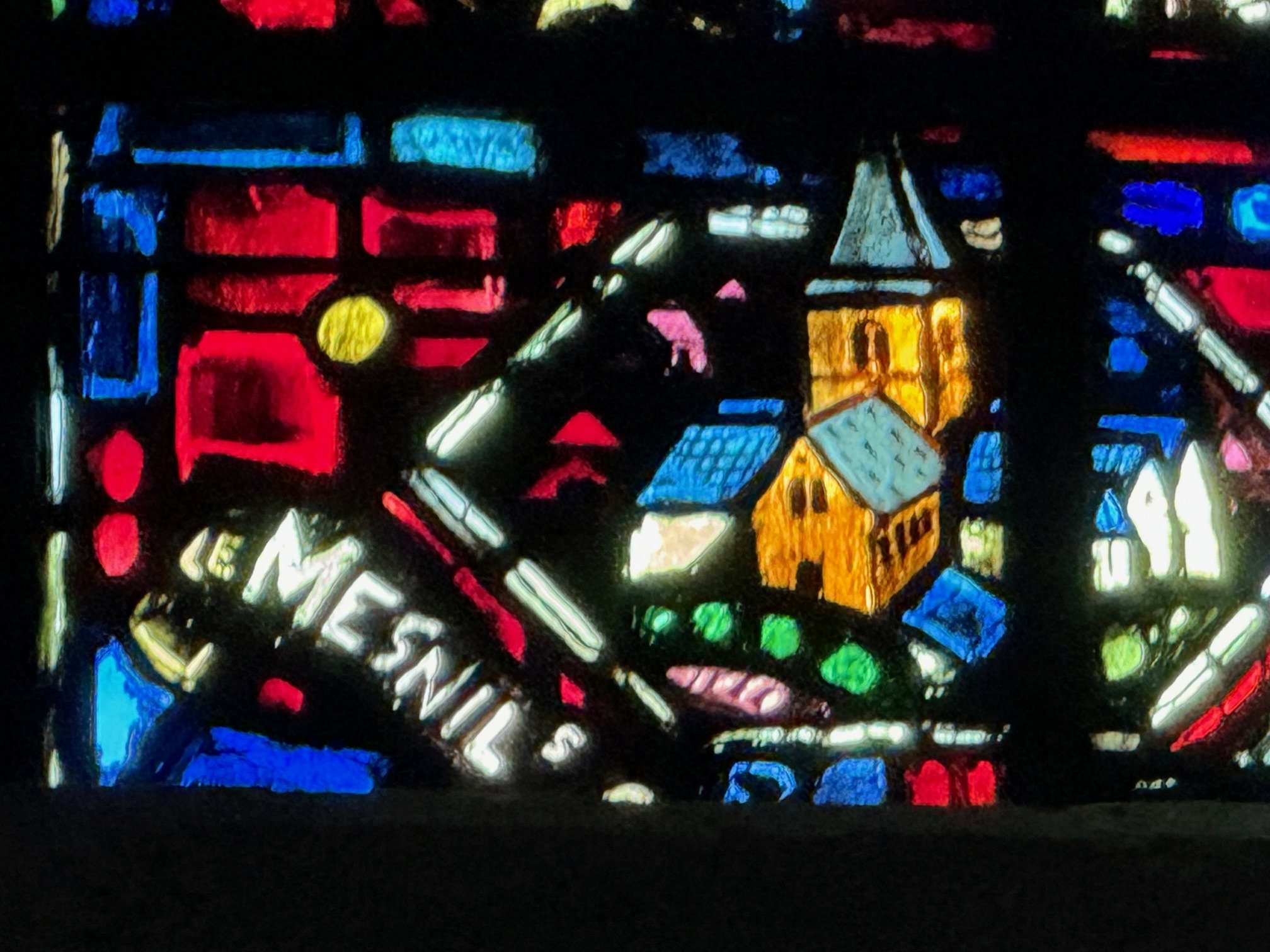
Hospitality has also reached new heights. A stay at Royal Champagne Hotel & Spa, with its sweeping vineyard views and thoughtful design, perfectly complements the sophistication of the region. At the same time, some of Champagne’s most memorable moments can be found in the smaller villages, where relaxed bistros offer simple, delicious food alongside local wines—an authentic and unpretentious counterpoint to the grandeur of the grandes maisons. These settings are also a wonderful place to explore Champagne’s still wines, offering a different, often lesser-known expression of the region’s terroir.
What continues to draw me back to Champagne is this interplay between past and present. It is a region that honors its history—from royal coronations and centuries of monarchy to defining moments of the 20th century—while continually reimagining how wine can be experienced. Whether through world-class cellars, art and cultural experiences, vineyard walks, or a casual lunch in a village square, Champagne remains one of the most complete and rewarding destinations in the world.
Champagne is a powerful example of how heritage brands and destinations can evolve—honoring tradition while continuously redefining the consumer experience.