

The Future of Wine: Engaging the Next Generation
The Challenge: Wine competes in the most crowded beverage landscape in history
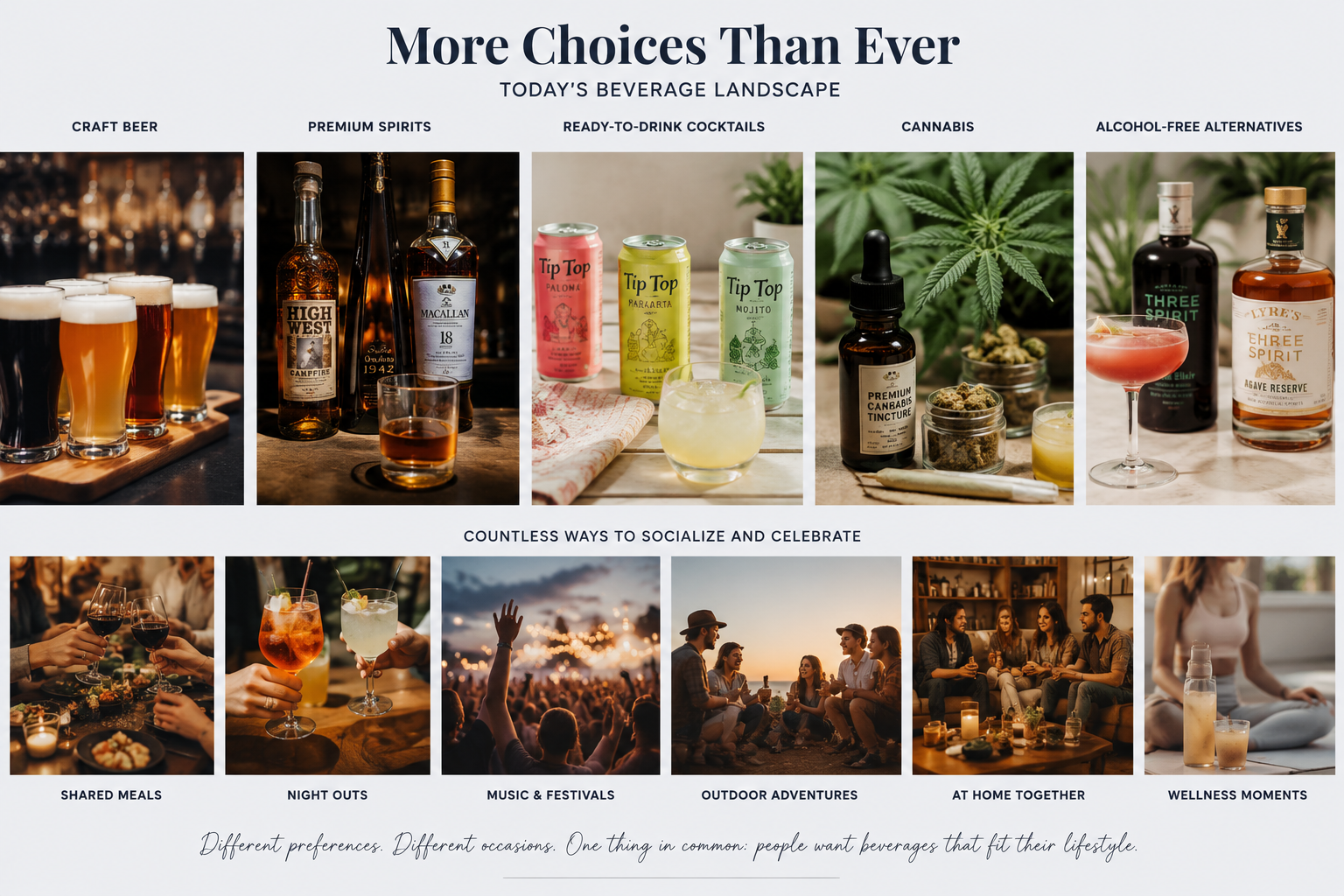
Younger consumers have more choices than any previous generation: craft beer, premium spirits, ready-to-drink cocktails, cannabis, alcohol-free alternatives, and countless other ways to socialize and celebrate.
The question is not whether younger consumers will drink wine. Many already do. The question is whether the wine industry can make wine as accessible, relevant, and engaging as competing categories.
The Role of Technology
Technology should not replace hospitality. It should make expertise more accessible. The best technology helps consumers discover wines they will enjoy, helps staff make better recommendations, and helps businesses create better guest experiences.
When done well, technology can make wine more welcoming without making it less sophisticated.
Looking Forward
I am optimistic about the future of wine. Millennials have become the largest wine-drinking generation in the United States, and Gen Z participation continues to grow. Many younger consumers are not looking to drink more; they are looking to drink better. They want memorable experiences, great food, authentic stories, and beverages that enhance the occasion.
What Younger Consumers Want:
Authenticity
Experiences over possessions
Transparency
Sustainability
Discovery
Community
Personalization
This is an opportunity for wine because wine possesses thousands of years of history, extraordinary diversity, deep connections to place, and an unrivaled ability to bring people together around food and shared experiences.
Lessons from Other Categories
Luxury brands, hospitality companies, and technology platforms have all demonstrated that heritage and innovation can coexist.
The strongest brands preserve what makes them special while continuously improving how consumers discover, experience, and engage with them. Christie’s and Gucci are great examples.
Wine can do the same.
Luxury brands such as Gucci have demonstrated the power of engaging younger consumers through storytelling, experience, community, and cultural relevance. The wine industry has made progress, but significant opportunities remain to connect with the next generation of wine drinkers.
The Wine Industry's Opportunity
Better storytelling
More welcoming hospitality
Simpler navigation
Better recommendations
Improved digital experiences
More engaging retail and restaurant environments
Wine typically asks consumers to learn its language before they can enjoy it. The most successful wine businesses reverse the equation. They make wine approachable first and deepen knowledge over time. This means:
Christie's demonstrates what can happen when a traditional category successfully engages the next generation. In 2025, 46% of its new bidders and buyers were millennials or younger. Rather than changing what it stands for, Christie's expanded how consumers discover, learn about & participate in collecting. Wine has a similar opportunity.
Why Restaurants Matter
Restaurants are one of the most important gateways to wine discovery. Yet many guests still find wine lists intimidating and wine service inconsistent.
Helping consumers find wines they love at the table creates confidence, increases enjoyment, and encourages exploration.
This is one reason I became interested in applying technology to wine recommendations and hospitality experiences.

By contrast, 33% of Millennials consume other luxury goods. What have other luxury products done to have drive Millennial demand? They have innovated their product offerings to increase their relevance to Millennials, evolved their distribution channels and embraced digital communication. Gucci, with more than 62 percent of sales from consumers under 35 years old, is a leading luxury brand example.
In the lives of all of us, there are many milestones and other special experiences that could look very different going forward. Let me paint a picture of them in the future. Can you imagine how parents will feel when they are toasted at their 60th Anniversary with a Vodka and Tonic? Where is the Salon, the Sir Winston Churchill, and the Mouton? These fine wines are headed for the cellars of the people who are excited to own them and store them. And this ownership issue - the resistance to being responsible for something - flies in the face of the Millennial stereotype.
China’s growing interest in wine, particularly, fine wine, has filled the growing gap in Millennial demand in recent years. To my mind, while experiencing growth and new demand from emerging new audiences is terrific for any product, relying too much on China to fuel growth is too risky.
Millennials are ignoring the wine industry and its stodgy old ways. Now, there are examples where bottle service in nightclubs drives sales for fine wine (e.g., Dom Perignon with fluorescent glow-in-the dark labels) - but these are clever gimmicks rather than enduring trends. And the wine industry is at risk of losing a second generation of consumers, because Gen Z are following Millennial wine consumptions patterns.
Now, this doesn’t mean the fine wine industry is bust – it’s survived wars, plagues, pestilence and tariffs for 7,000 years. But any industry should be troubled by being irrelevant to the world’s largest cohort of consumers.