

How Technology is Reshaping Wine Discovery.
Digital tools are making expert wine guidance more accessible, helping a new generation of consumers discover, understand, and enjoy wine with greater confidence.
Wine is one of the world's oldest cultural products, yet the way people discover and enjoy it is evolving rapidly. For centuries, wine knowledge was passed down through farmers, merchants, travel experiences, and shared meals. Over time, that expertise became more formalized, with sommeliers and specialists helping people navigate increasingly complex choices.
Today, technology is beginning to play an important role in how people learn about wine, choose what to drink, and remember the experiences they enjoy. Rather than replacing expertise, technology has the potential to make expert guidance available to far more people than ever before.
At its best, technology makes wine feel more accessible and less intimidating. Many consumers are curious about wine but unsure where to begin. In most restaurants, a sommelier is a luxury few venues can afford, leaving diners to navigate extensive wine lists with limited guidance. Faced with unfamiliar options, even experienced diners often default to familiar choices rather than exploring something new.
Technology can help bridge that gap by delivering clear, relevant guidance at the moment it is needed, helping consumers make more confident decisions while encouraging discovery.
Making Wine Less Intimidating
Historically, wine has often been surrounded by complexity—regions, grape varieties, vintages, and terminology that can feel overwhelming to newcomers. Technology can help simplify this experience by delivering knowledge in ways that feel approachable and relevant. Instead of requiring consumers to learn everything about wine before they enjoy it, digital tools can provide guidance in the moment—suggesting wines based on taste preferences, explaining what to expect in a glass, or helping diners understand why a particular wine pairs well with a dish.
When wine knowledge becomes accessible in this way, it shifts from something intimidating to something inviting.
“The opportunity is not to replace wine expertise; it is to make wine expertise more accessible.”
Technology as a Guide to Enjoyment
Wine is rarely experienced in isolation—it is part of a meal, a gathering, a destination, or a celebration. The most memorable wine experiences often occur in hospitality settings, where food, service, atmosphere, and discovery come together.
Technology can help people better understand how wine fits into these experiences. Digital tools can suggest food pairings, describe flavor profiles, and highlight wines that complement the dishes being served. This type of guidance transforms wine from a technical subject into a sensory experience. Instead of focusing on rules or expertise, the emphasis shifts toward discovery, enjoyment, and shared experiences.
Restaurants and hospitality venues are particularly exciting places where technology can enhance this experience. Many restaurants curate thoughtful wine lists but do not always have the staff resources to guide every guest through them. Technology can help bring expert knowledge to the table, allowing diners to explore wines with confidence while discovering pairings that elevate their meal.
Helping Consumers Discover What They Love
Perhaps the most powerful role technology can play is helping people remember and build on the wines they enjoy. When consumers can keep track of wines they have tried—what they drank, where they had it, and what they liked about it—they begin to develop a personal understanding of their tastes. Over time, this creates a foundation for discovery, allowing people to explore new wines with greater confidence and develop a deeper understanding of their own preferences.
This kind of guided discovery is particularly important for younger consumers. Millennials and Gen Z already rely on digital tools to explore music, travel, restaurants, and entertainment. When wine can be discovered through similar pathways that are personalized, experiential, and easy to navigate, it becomes far more approachable.
Scaling Expertise Through Technology
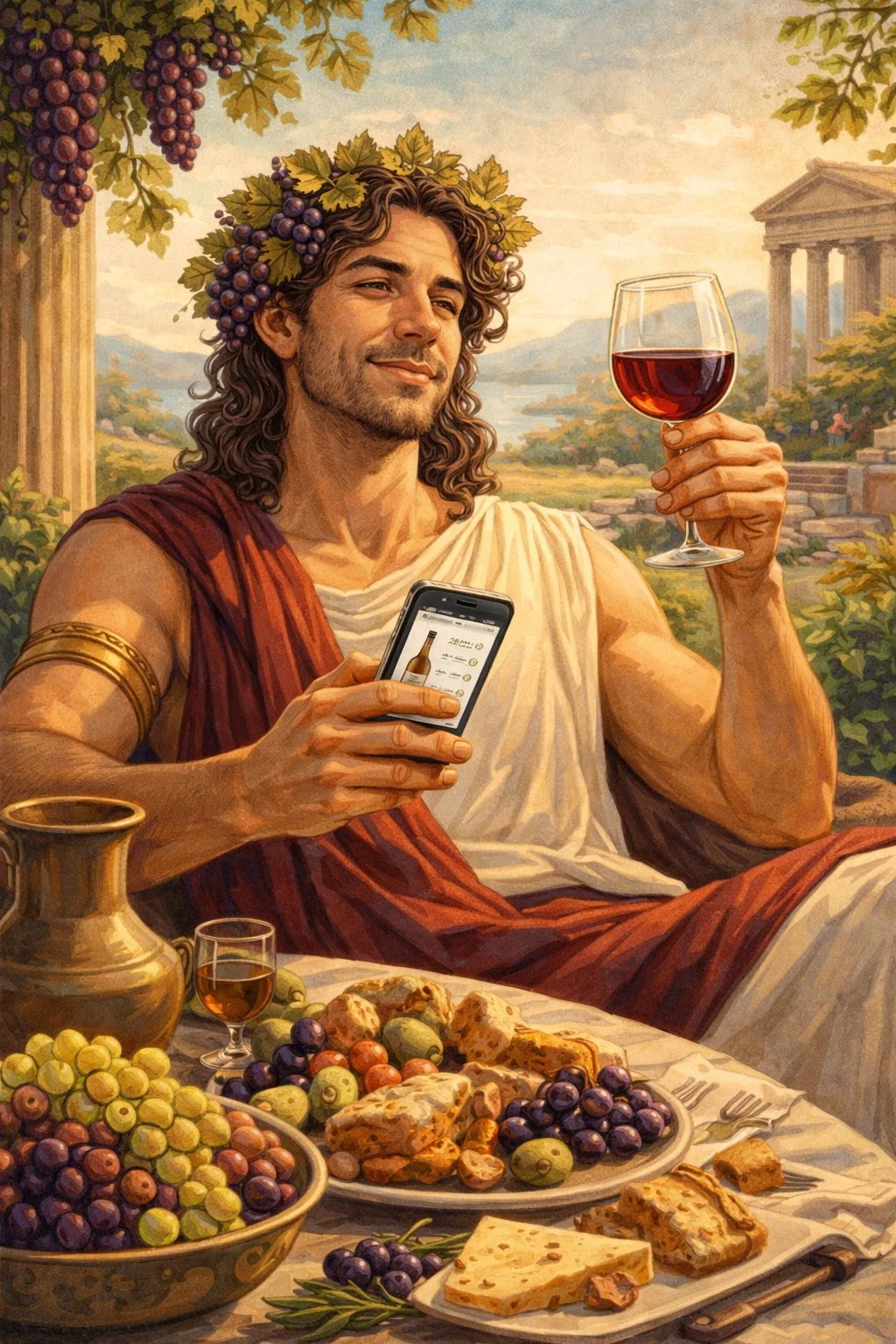
One of the initiatives I am currently leading applies AI, hospitality expertise, and proprietary wine knowledge to help restaurant guests discover wines that pair beautifully with their meals.
The goal is not to replace sommeliers or hospitality professionals. Rather, it is to make expert guidance more accessible in environments where dedicated wine expertise may not always be available. Early feedback suggests that younger diners especially appreciate guidance that makes wine feel less intimidating, more personalized, and more experiential.
This reflects a broader opportunity for the wine industry. By combining expertise, hospitality, and technology, we can help more consumers discover wines they love while creating stronger experiences for guests and better outcomes for hospitality businesses.
Looking Ahead
Wine will always be about people, places, craftsmanship, and shared experiences. Technology does not replace those things. Instead, it can help more people participate in them.
By making expert guidance more accessible and helping consumers navigate wine with greater confidence, technology has the potential to introduce more people to the richness and diversity of wine while strengthening the broader ecosystem—from growers and producers to restaurants, retailers, and collectors.