

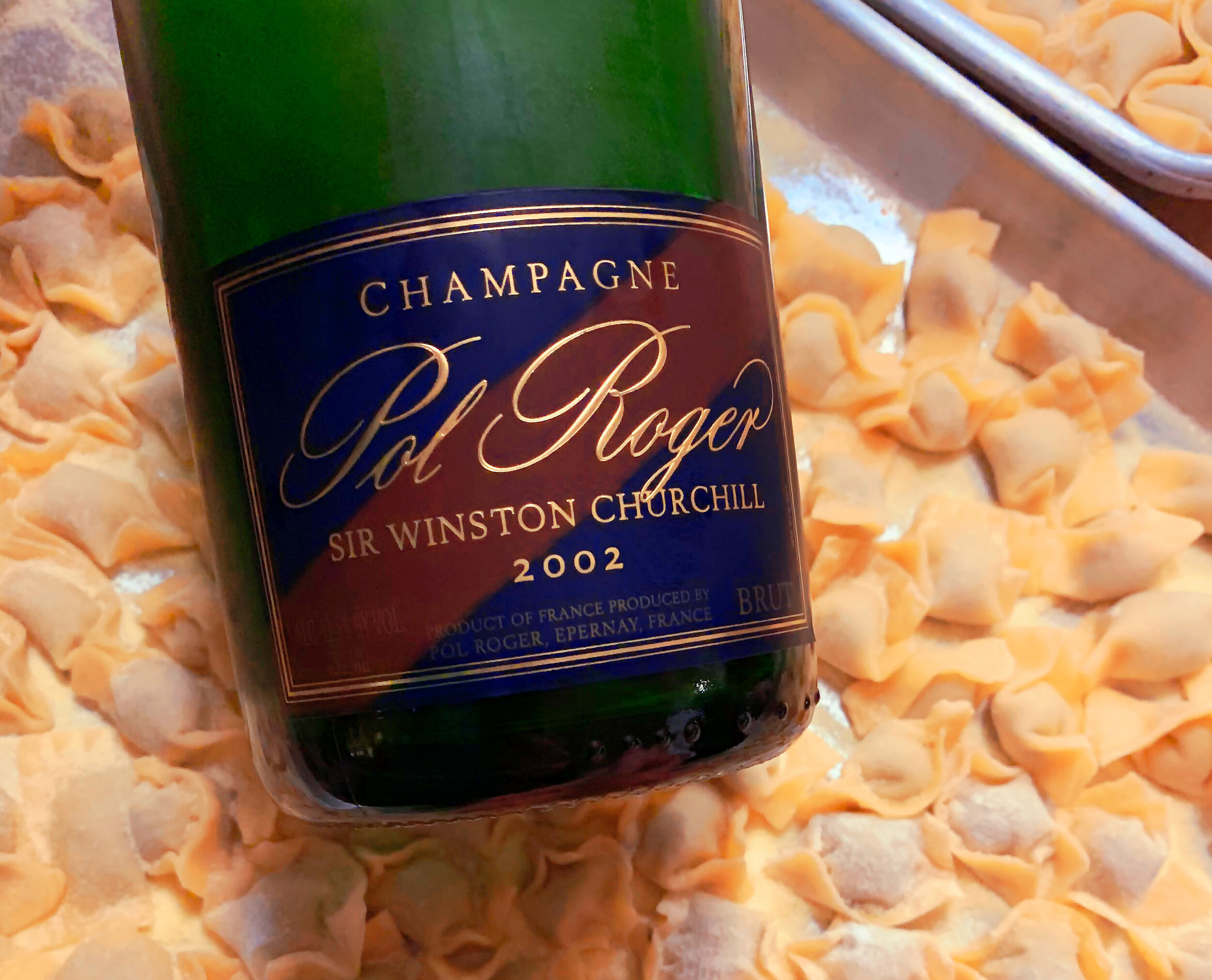
Most people match wine with food.
I often choose food to match my wine.
Most people begin with a meal and then select a wine to accompany it. I often do the opposite. Sometimes there is a particular bottle I have been looking forward to opening, and that wine becomes the starting point for the evening.
The good news is that either approach works. Whether you begin with the food or the wine, the goal is the same: creating combinations that are more enjoyable together than they would be apart.
There is some foundational science behind successful food and wine pairing. Acidity, sweetness, salt, fat, bitterness, texture, and intensity all influence how food and wine interact. From there, personal preference, creativity, and the occasion become equally important.
One of the most common misconceptions about wine pairing is that there is always a single “correct” answer. In reality, there are often several successful approaches and excellent choices. Understanding the underlying principles simply gives you more options.
The Science Creates the Foundation
For example, when pairing a beverage with rich, spicy Indian food, an off-dry Riesling is often a successful choice. The slight sweetness helps moderate the perception of heat, while the wine's freshness balances the richness of the dish.
But not everyone wants to soften the spice. Some diners prefer to embrace spice, in which case a fuller-bodied rosé can be equally compelling. My younger brother often carries fresh chile with him to restaurants; he loves Bandol rosé with spicy Indian food. The science provides a foundation; personal preference determines the final choice.
Pairings I Love

One of my favorite pairings is bugs (Australian slipper lobster) with Chablis. Chablis combines mineral freshness, citrus character, and bright acidity, qualities that complement the sweetness and richness of the lobster beautifully. When the Bugs are served warm, however, I prefer a village-level white Burgundy with a kiss of oak, which better matches the richer texture of the dish.
This is one of the joys of pairing: a small change in how a dish is prepared can lead to a completely different beverage choice.
Another favorite pairing is fresh oysters and Semillon.
I had one of the most exhilarating food and wine moments of my life recently at Brokenwood winery in the Hunter Valley. I was served a freshly shucked oyster and encouraged to hold the shell to my lips while Semillon was poured directly into it. The oyster and wine were enjoyed together in a single mouthful.
The combination was simple and completely unforgettable. It reinforced a lesson that applies to many great pairings: the most memorable combinations are often the least complicated.
Pairing as an Experience
I also enjoy entertaining around a single ingredient or theme and then building an entire evening around it.
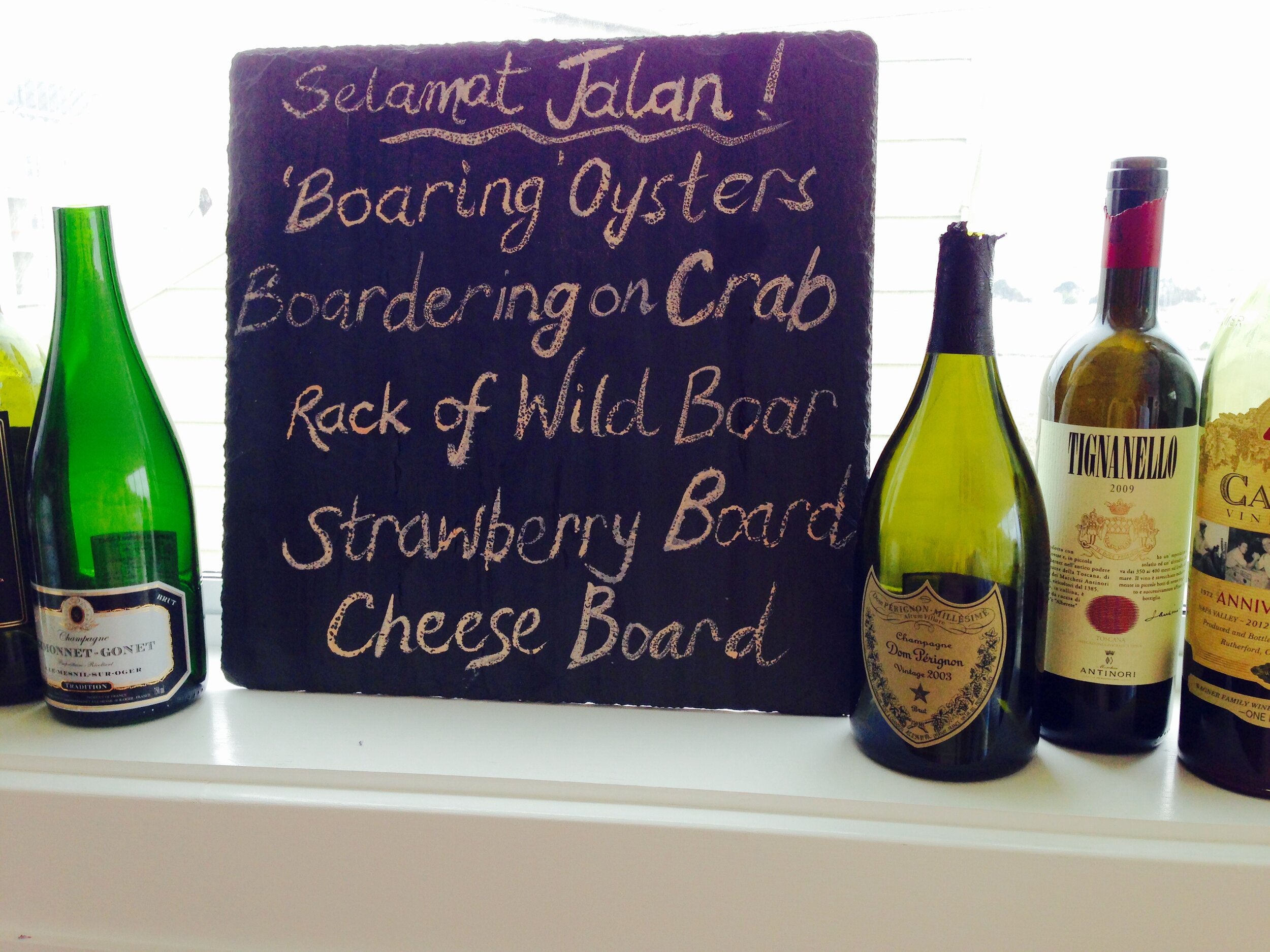
One memorable dinner was inspired by wild boar. Each course explored a different expression of the ingredient, while the wines highlighted different aspects of the food. The evening was not really about the wines or even the wild boar—it was about creating an experience that encouraged conversation, discovery, and shared enjoyment around the table.
The best pairings do more than match flavors. They help create memorable moments.
The Rise of Low- and No-Alcohol Pairings
One area that is increasingly important is pairing low- and no-alcohol beverages with food.
While wine has traditionally dominated pairing conversations, consumers today are exploring a much broader range of beverage choices. This creates exciting opportunities for hospitality businesses.
Thoughtfully crafted non-alcoholic drinks built around ingredients such as botanicals, teas, spices, fruits, and fermentation can offer complexity, texture, and flavor interactions that make them highly suitable for food pairing.
The underlying principles are remarkably similar to wine pairing. Acidity, sweetness, bitterness, texture, aroma, and intensity all influence how a beverage interacts with food.
As consumers increasingly seek moderation without sacrificing experience, I expect deliberate food and non-alcoholic beverage pairings to become an important part of hospitality experiences.
Why Pairing Matters
Whether the beverage is wine, a cocktail, beer, tea, or a non-alcoholic creation, the goal remains the same: helping people enjoy food and drink together in a way that feels personal, memorable, and rewarding. The science matters. Understanding why flavors work together can elevate an experience and encourage discovery.
But great pairings are ultimately about more than science. They are about curiosity, hospitality, experimentation, and the people gathered around the table. That is what makes food and beverage pairing so enjoyable and such a fascinating pursuit.